(06-17-2026 04:02 PM)OdinFrigg Wrote: Vanderbilt University Commodores don’t have a living, angry Cornelius around. Nevertheless, they have an excellent and unique mascot.
(06-17-2026 04:02 PM)OdinFrigg Wrote: Vanderbilt University Commodores don’t have a living, angry Cornelius around. Nevertheless, they have an excellent and unique mascot.
This Vanderbilt fan thanks you, good sir.
We could have an interesting thread one day on nicknames that were inspired by a single individual.
The Cleveland Browns, for example, wear a name inspired by coach Paul Brown.
Yale grads are called ‘Elis’ as a nod to benefactor Elihu Yale.
(06-17-2026 04:02 PM)OdinFrigg Wrote: Vanderbilt University Commodores don’t have a living, angry Cornelius around. Nevertheless, they have an excellent and unique mascot.
I've told this story before, but it's relevant here:
The Case Rough Riders and the Western Reserve Redcats were two of the best football programs in Ohio for the first half of the 20th century. Their campuses bordered each other, separated only by a chain link fence. Case was a male-only Engineering/Science school until 1960, and Western Reserve was liberal arts with a medical school. From 1894-1953, their annual rivalry game was on Thanksgiving Day, usually played at either the Browns' Cleveland Municipal Stadium or the Indians' League Park.
Western Reserve was the better of the two, with a 49-20 record over Case, a 6-5 record against Ohio State, and a victory in the 1941 Sun Bowl against Arizona State (where the Redcats' first touchdown was scored by Steve Belichick, father of the future Patriot's coach). WRU also had a great 1937-38 basketball season, posting wins over Syracuse, Cincinnati, and Dayton. WRU was a founding member of the MAC, but both schools de-emphasized athletics after WW2.
In 1970 the schools merged. But what to call the merged athletic programs? The Rough Cats? The Red Riders? Something new and creative?
Oh, contraire. A committee of the Captains of the both school's sports programs chose the Spartan. They copied Michigan State's logo and uniforms exactly, except they made it blue.
A golden opportunity to combine two historic mascots, and they wasted it.
(06-18-2026 04:24 PM)Captain Bearcat Wrote: I've told this story before, but it's relevant here:
The Case Rough Riders and the Western Reserve Redcats were two of the best football programs in Ohio for the first half of the 20th century. Their campuses bordered each other, separated only by a chain link fence. Case was a male-only Engineering/Science school until 1960, and Western Reserve was liberal arts with a medical school. From 1894-1953, their annual rivalry game was on Thanksgiving Day, usually played at either the Browns' Cleveland Municipal Stadium or the Indians' League Park.
Western Reserve was the better of the two, with a 49-20 record over Case, a 6-5 record against Ohio State, and a victory in the 1941 Sun Bowl against Arizona State (where the Redcats' first touchdown was scored by Steve Belichick, father of the future Patriot's coach). WRU also had a great 1937-38 basketball season, posting wins over Syracuse, Cincinnati, and Dayton. WRU was a founding member of the MAC, but both schools de-emphasized athletics after WW2.
In 1970 the schools merged. But what to call the merged athletic programs? The Rough Cats? The Red Riders? Something new and creative?
Oh, contraire. A committee of the Captains of the both school's sports programs chose the Spartan. They copied Michigan State's logo and uniforms exactly, except they made it blue.
A golden opportunity to combine two historic mascots, and they wasted it.
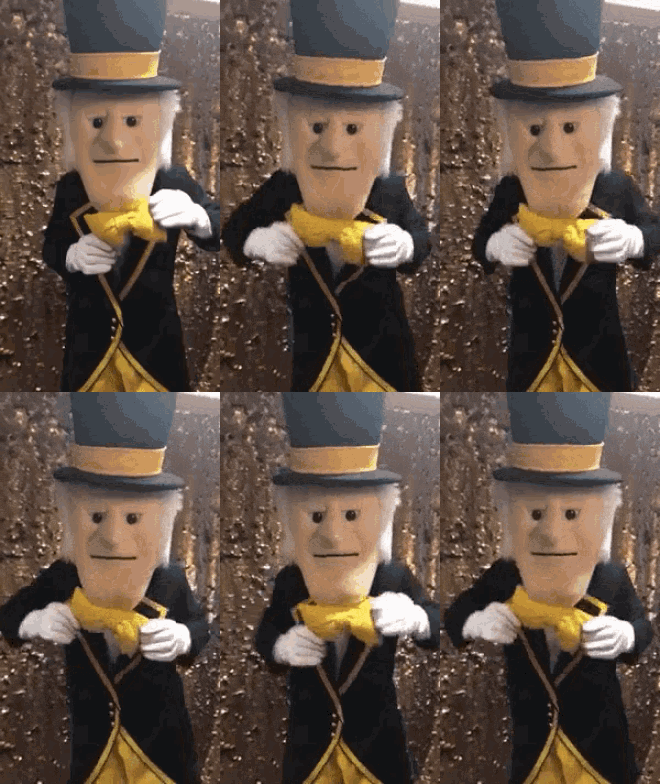
”The nickname dates back to 1922 and 1923, coined by student newspaper editor Mayon Parker. Following a big win against rival Duke (then Trinity College), Parker described the fierce, spirited play of the Wake Forest team as playing like "Demon Deacons". How the Mascot Came to Life. The physical mascot was born in 1941 when a student named Jack R. Baldwin took on a fraternity dare to dress up as a Deacon. He wore top hat and tails, carried a black umbrella, and rode a live ram onto the field. This instantly became a hit, solidifying the tradition.” (NCAA.com)
(This post was last modified: 06-19-2026 02:32 PM by OdinFrigg.)
(06-18-2026 04:24 PM)Captain Bearcat Wrote: I've told this story before, but it's relevant here:
The Case Rough Riders and the Western Reserve Redcats were two of the best football programs in Ohio for the first half of the 20th century. Their campuses bordered each other, separated only by a chain link fence. Case was a male-only Engineering/Science school until 1960, and Western Reserve was liberal arts with a medical school. From 1894-1953, their annual rivalry game was on Thanksgiving Day, usually played at either the Browns' Cleveland Municipal Stadium or the Indians' League Park.
Western Reserve was the better of the two, with a 49-20 record over Case, a 6-5 record against Ohio State, and a victory in the 1941 Sun Bowl against Arizona State (where the Redcats' first touchdown was scored by Steve Belichick, father of the future Patriot's coach). WRU also had a great 1937-38 basketball season, posting wins over Syracuse, Cincinnati, and Dayton. WRU was a founding member of the MAC, but both schools de-emphasized athletics after WW2.
In 1970 the schools merged. But what to call the merged athletic programs? The Rough Cats? The Red Riders? Something new and creative?
Oh, contraire. A committee of the Captains of the both school's sports programs chose the Spartan. They copied Michigan State's logo and uniforms exactly, except they made it blue.
A golden opportunity to combine two historic mascots, and they wasted it.
Unique nicknames for a lot of teams is what I loved about college sports as a kid. Purdue would never be the Boilermakers if they were a new university starting today.
(06-18-2026 11:52 PM)Scoochpooch1 Wrote: Unique nicknames for a lot of teams is what I loved about college sports as a kid. Purdue would never be the Boilermakers if they were a new university starting today.
Centenary Gentlemen was always a favorite.
Peruna, the SMU Shetland Pony mascot. He reputedly killed the Fordham ram by kicking it in the head. He also knocked Bevo over with a kick to the ribs. When SMU played Fordham in the 1930s, Peruna rode in the back of a taxi (presumably from Penn Station up to Yankee Stadium in the Bronx). Peruna was named after a patent medicine that was 28% alcohol. During Prohibition, the alcohol content was reduced to 12% and a laxative added so that it could be marketed as a patent medicine. I have no idea how a bunch of Methodists would know about such things.
The Masked Rider at Texas Tech receives an endowed scholarship.
(06-17-2026 04:02 PM)OdinFrigg Wrote: Vanderbilt University Commodores don’t have a living, angry Cornelius around. Nevertheless, they have an excellent and unique mascot.
This Vanderbilt fan thanks you, good sir.
We could have an interesting thread one day on nicknames that were inspired by a single individual.
The Cleveland Browns, for example, wear a name inspired by coach Paul Brown.
Yale grads are called ‘Elis’ as a nod to benefactor Elihu Yale.
Quote:The origins of the Bearcat begin on October 31, 1914, during a football game between Cincinnati and the University of Kentucky Wildcats. During the second half of the football game, UC cheerleader Norman "Pat" Lyon created the chant: "They may be Wildcats, but we have a Baehr-cat on our side," a pun on the name of fullback Leonard K. "Teddy" Baehr.[3]
The crowd took up the cry, and Cincinnati prevailed, 14–7. The victory was memorialized in a cartoon published on the front page of the student newspaper, the weekly University News, on November 3. The cartoon, by John "Paddy" Reece, depicted a bedraggled Kentucky Wildcat being chased by a creature labeled "Cincinnati Bear Cat." The bear cat term was already popularized in contemporary media through the Stutz Bearcat car and songs from Tin Pan Alley.[4]
(06-18-2026 04:24 PM)Captain Bearcat Wrote: I've told this story before, but it's relevant here:
The Case Rough Riders and the Western Reserve Redcats were two of the best football programs in Ohio for the first half of the 20th century. Their campuses bordered each other, separated only by a chain link fence. Case was a male-only Engineering/Science school until 1960, and Western Reserve was liberal arts with a medical school. From 1894-1953, their annual rivalry game was on Thanksgiving Day, usually played at either the Browns' Cleveland Municipal Stadium or the Indians' League Park.
Western Reserve was the better of the two, with a 49-20 record over Case, a 6-5 record against Ohio State, and a victory in the 1941 Sun Bowl against Arizona State (where the Redcats' first touchdown was scored by Steve Belichick, father of the future Patriot's coach). WRU also had a great 1937-38 basketball season, posting wins over Syracuse, Cincinnati, and Dayton. WRU was a founding member of the MAC, but both schools de-emphasized athletics after WW2.
In 1970 the schools merged. But what to call the merged athletic programs? The Rough Cats? The Red Riders? Something new and creative?
Oh, contraire. A committee of the Captains of the both school's sports programs chose the Spartan. They copied Michigan State's logo and uniforms exactly, except they made it blue.
A golden opportunity to combine two historic mascots, and they wasted it.
I have to wonder if Case and Western Reserve had merged 60 years sooner, if they would be in the Big 10 today.